Home Window Tinting: Expert Guide
Explore home window tinting: types, benefits, costs, and expert tips.
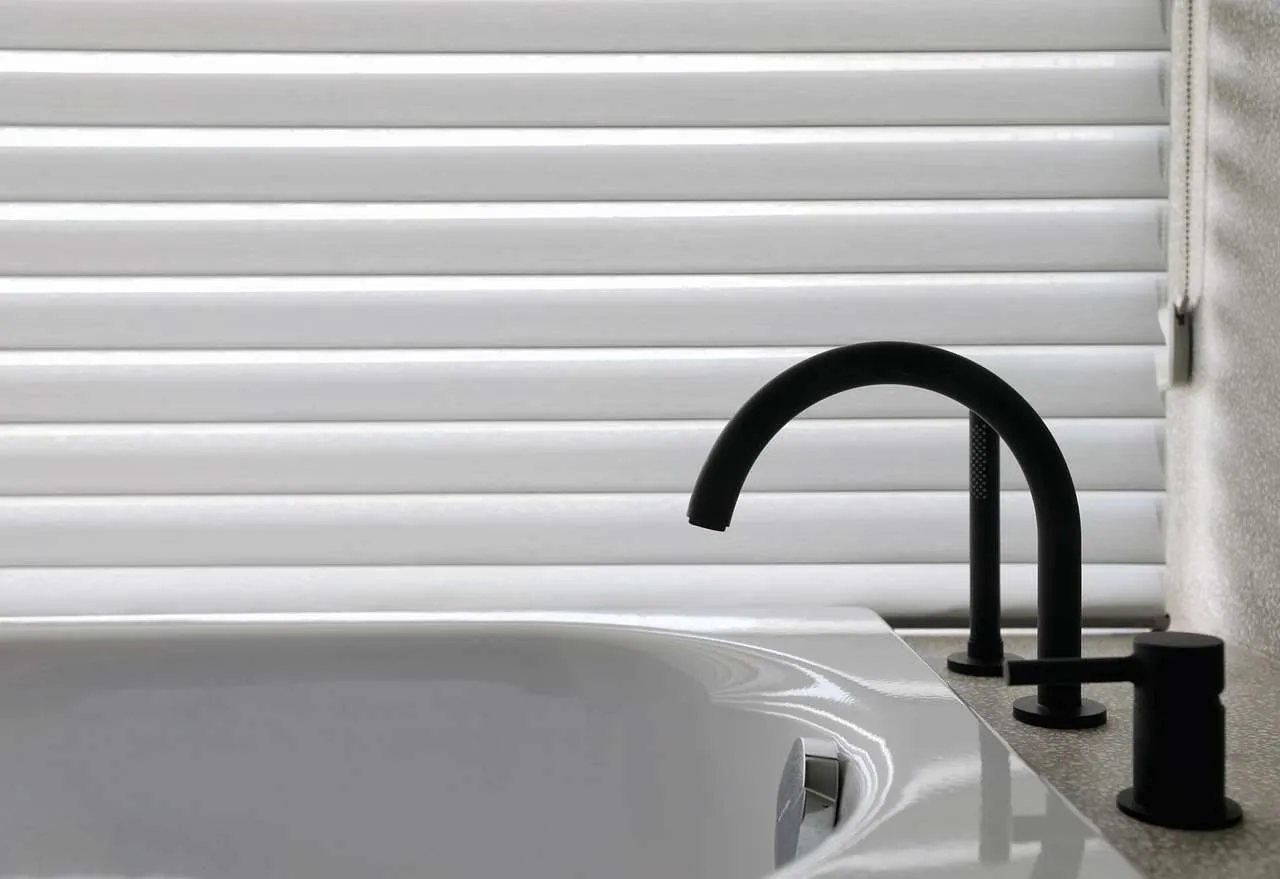
Home window tinting has moved from luxury to practical home upgrade. By applying a window film to interior glass, homeowners can reduce heat gain, protect interiors from UV damage, and improve comfort year-round.
What is home window tinting?
Window tinting uses a thin film applied to the interior surface of glass. Films come in several constructions: dyed, metalized, ceramic, carbon, or a combination. They block infrared heat, reduce glare, and add privacy while preserving most of the view. Professional installation ensures a seamless look and durable edge sealing; DIY kits exist but require skill to avoid air bubbles or peeling.
Benefits of home window tinting
- Heat reduction: Lower peak cooling loads and more even indoor temperatures.
- UV protection: Blocks most UV rays to protect furnishings and skin.
- Glare reduction: Improves comfort for screens and daylight reading.
- Privacy: Daytime privacy without sacrificing exterior views.
- Safety: Some films hold shattered glass together after impact.
- Aesthetics: Consistent tinting for a cohesive exterior and interior appearance.
- Fading control: Reduces color fading of fabrics and flooring.
Choosing the right window tint
Consider climate and orientation
South- and west-facing windows typically gain the most benefit from higher heat rejection. In hot climates, prioritize IR rejection and consider the film’s VLT (visible light transmission) to balance privacy with daylight. At night, darker tints may reduce exterior visibility; many homeowners opt for a lighter interior shade with strong IR performance.
Film types
Ceramic films offer strong heat rejection with minimal color change and no metal. Metalized films provide high heat rejection but can cause glare and rare interference with certain electronics. Dyed films are economical but may fade or turn colored over time. Carbon films balance heat rejection with color stability and a matte finish. A professional can help determine compatibility with existing double- or triple-glazed units and Low-E coatings.
Safety and legality
Check local regulations on tint darkness for front windows, as some jurisdictions restrict levels. Consider safety or laminate films to improve resistance to breakage and to hold shards in place during impacts. A licensed installer can ensure you meet legal requirements while maximizing performance.
DIY vs professional installation
DIY tint kits can save money but require care to avoid bubbles, creases, and edge peeling. Professional installation provides precise cutting, cleaner edges, and a warranty-backed finish. If you plan to sell your home or want the longest lifespan, professional installation is usually worth the cost.
Cost and maintenance
Costs vary by film type, window size, and labor. Expect a range from economical to premium options; many homeowners recover the cost through energy savings within a few years, depending on climate and utility rates. Cleaning is simple: use a soft cloth and a mild, non-ammonia cleaner. Avoid abrasive tools that could scratch the film.
Comparison of common film types
| Film Type | Heat Reduction | UV Rejection | Privacy | Longevity | Pros/Cons |
|---|---|---|---|---|---|
| Ceramic | Excellent | Excellent | Good | Excellent | Non-metallic; preserves electronics; premium price |
| Metalized | High | High | Moderate | Good | Potential glare and rare signal interference; durable |
| Dyed | Moderate | Moderate | High | Fair | Budget option; may fade over time |
| Carbon | High | Great | High | Excellent | Balanced look; mid-to-high cost |
What to ask a window tint pro
- What tint percentage do you recommend for my area and windows?
- Do you handle both interior windows and safety film installations?
- What warranty and aftercare do you offer?
- Will the tint affect my windows’ Low-E coatings or energy ratings?
Conclusion
Conclusion, home window tinting is a strategic upgrade that reduces heat, blocks UV, protects interiors, enhances comfort, and boosts privacy when chosen and installed correctly. By understanding film types, climate needs, legality, and professional options, homeowners can select a solution that fits budget and goals while preserving aesthetics and resale value. Conclusion, be sure to compare quotes, verify warranties, and hire licensed installers for best results.