Home Window Tinting Near Me: Find Local Experts
Locate trusted home window tinting near me pros to cut heat, UV, and glare and boost privacy and energy efficiency.
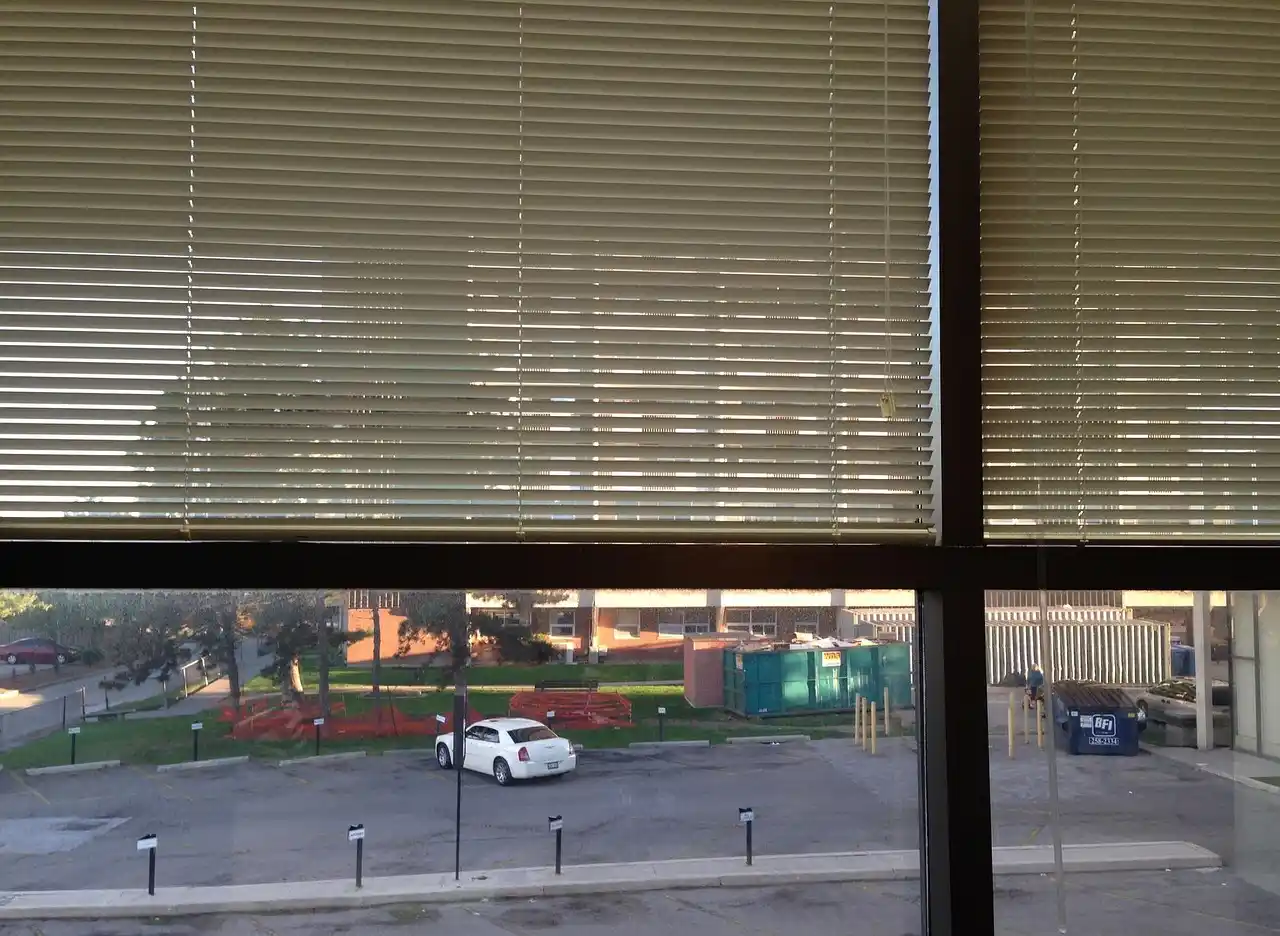
Finding reliable home window tinting near me services can dramatically improve comfort and energy bills. Local installers understand climate, sun exposure, and building codes that affect tint choices. This guide blends industry best practices with practical steps to locate vetted, nearby professionals who can deliver durable, high-performance residential tinting.
What is home window tinting?
Residential window tinting uses a thin film applied to interior or exterior panes to reduce heat, glare, and UV radiation while preserving visibility. Modern films come in various shades and densities and can be installed on single, double, or triple-glazed windows. A qualified installer ensures proper surface prep, film alignment, and edge sealing for lasting performance.
Benefits of residential window tinting
Tinting can lower room temperatures by blocking infrared heat, reducing air conditioning load and energy costs. UV protection keeps furnishings from fading, and glare reduction makes living spaces more comfortable in bright regions. Additional privacy helps with street-facing windows, and some films add shatter resistance. Importantly, high-quality films maintain natural light while improving comfort throughout the day.
How to find 'home window tinting near me'
To locate reputable local pros, start with a targeted search and read recent client reviews. Verify licenses and insurance, request on-site assessments, and compare warranties. Ask for sample installations to evaluate clarity and tint uniformity. A trusted installer should provide a written estimate, explain film options, and outline the expected timeline from prep to completion.
- Search for 'home window tinting near me' plus your city or neighborhood.
- Check credentials, reviews, and portfolio photos.
- Ask about IWFA or other industry certifications and warranty terms.
- Request in-home measurements and multiple film options.
- Review contracts for lead times, guarantees, and maintenance guidance.
Choosing the right film for your home
Film choices balance heat rejection, UV protection, clarity, and cost. Below are common types and what they offer:
Dyed films
Low-cost option with decent glare control and privacy. Pros: affordable; Cons: may fade over time and offer moderate heat rejection.
Metalized films
Strong glare reduction and heat control with metal particles. Pros: good heat rejection; Cons: can cause reflections and slight color shift in some lighting, especially at night.
Ceramic films
High performance with excellent heat rejection and UV protection, while remaining non-metallic. Pros: best clarity and durability; Cons: higher upfront cost.
Hybrid films
Balanced performance between dyed and ceramic. Pros: improved heat control without heavy cost; Cons: not as high-performing as ceramic.
Film Type Comparison
| Type | Heat Rejection | UV Protection | Visibility at Night | Typical Cost per Sq Ft | Pros | Cons |
|---|---|---|---|---|---|---|
| Dyed | Moderate | Moderate | Good | Low | Affordable | Fades over time |
| Metalized | High | Good | Slight reflections | Moderate | Great glare/heat control | Potential interference with sensors (rare for home) |
| Ceramic | Very High | Excellent | Very clear | High | Best performance | Higher cost |
| Hybrid | High | Good | Clear | Moderate-High | Balanced option | Not as high as ceramic |
Costs and timelines
Residential tinting typically ranges from a moderate to a premium investment, depending on window size, glass type, and film chosen. Most homes pay per square foot or per window with travel and prep included in a single project. A standard single-story home with standard double-pane windows might require a day or two of work. Higher floors, larger windows, or specialty films can extend timelines and costs. Always request a written, itemized quote that lists materials, labor, warranty, and post-installation care instructions.
Maintenance and warranty
Maintenance is straightforward: clean films with a soft, non-abrasive cloth and a mild soap solution. Avoid ammonia-based cleaners that can damage some films. Warranties vary by film type and installer, but many projects include lifetime or 10-year coverage against bubbling, peeling, or loss of adhesion, subject to conditions such as proper cleaning and window cleaning schedules. Ensure your contract clearly states warranty transferability and service terms.
Questions to ask your installer
- Are you IWFA-certified or licensed, and do you carry insurance?
- What film options do you recommend for my climate and orientation?
- Is the warranty transferable if I sell the home?
- How do you handle edge sealing, installation environment, and post-install care?
- Can you provide references or photo galleries of similar projects?
Conclusion
Conclusion, by choosing a local, licensed installer and the right film type, you gain heat and glare reduction, UV protection, privacy, and long-term energy savings for your home. By following the steps outlined here, you can confidently find top-tier services for home window tinting near me and enjoy a more comfortable living space.